The 14th EV Summit: 16 brands, and a 136% jump that is not what it looks like
The summit opened on a 136.4% rise in “electrified” vehicle sales. Two-thirds of those vehicles still have an engine, the market they were sold into fell 10.2%, and the whole country has 1,569 charging points.

The short answer
The 14th Philippine EV Summit opened on a 136.4% rise in “electrified” vehicle sales — and two-thirds of the vehicles counted were not electric. Of the 38,286 units sold from January to July 2026, 10,476 were battery-electric. The other 27,810 were hybrids, plug-in hybrids and mild hybrids: vehicles with a motor and a fuel tank, sold into a market that fell 10.2% over the same seven months.
That is not a scandal, and it is not a reason to doubt the cars. It is a reason to read the number carefully — because the same seven months produced 1,569 charging points in the entire country, counted by the Department of Energy on 31 March, and a government target of 50% EV penetration on Philippine roads by 2040 that this year’s sales do not begin to describe.
What the headline says
Electrified vehicle sales rose 136.4% to 38,286 units, and battery-electric sales nearly tripled.
What the number is
27.4% of it had no engine. The rise was measured from a base of about 16,195 units.
The one thing to remember
“Electrified” is a category, not a drivetrain. One word is doing the work of two very different products.
Every figure below is either published by the organisers, attributed to the Department of Energy, or arithmetic on those two — and the derived ones say so. The provenance table explains why three bylines turned out to be one document.
Advertisement
The numbers, opened up
One published figure, two drivetrains inside it. The split is the story the summit's own release did not tell.
“Electrified” is the industry’s umbrella, and it is a generous one: it covers a battery-electric car with no engine at all and a mild hybrid whose motor assists a petrol engine and never drives the wheels alone. Both are counted in the same column, and the column is what made the headline.
Divide the two published numbers and the headline changes shape. 10,476 of 38,286 is 27.4% — and the growth rate is being measured against a base of roughly 16,195 units, which is what a 136.4% rise from a small number looks like.
January to July 2026
38,286
“electrified” vehicles sold — the number the summit opened on
Battery electric10,476
No engine. A battery, a motor, a plug.
These are the vehicles the 50%-by-2040 target is actually about. The release calls their growth “about 300%”, which is a real jump from a base of roughly 2,600 units — the arithmetic is on this page rather than in the release.
Last year against this year — same axis
Grey is the 2025 base, lime is what was added. The bases are derived — units ÷ (1 + growth) on the published figures — not counted by anyone. Battery-electric sales made up 35.6% of the increase, though only 27.4% of the total.
Read it asOne electrified vehicle every 8 minutes, around the clock, for seven months — and 27,810 of the 38,286 still have a fuel tank.
The bases in that chart are derived — units ÷ (1 + growth), using the two figures the release publishes. Nobody counted them. They are printed because the alternative is a percentage with no denominator, and a percentage with no denominator is how a small market reads as a revolution.
| Figure | Value | What it measures | Source |
|---|---|---|---|
| Electrified vehicle sales | 38,286 units+136.4% | Battery-electric plus every kind of hybrid, over seven months | EVAP release |
| Battery-electric sales | 10,476 units≈+300% | Vehicles with no engine at all | EVAP release |
| Total vehicle sales | the whole market-10.2% | Every vehicle sold in the same seven months | EVAP release |
| Charging points | 1,569as of 31 Mar 2026 | Points counted nationwide, public and otherwise | Department of Energy |
| Accredited providers | 258as of 31 Mar 2026 | Networks running those points | Department of Energy |
| EV penetration target | 50%by 2040 | Share of vehicles on Philippine roads, not of this year's sales | Government, restated at the summit |
One thing the table makes obvious and the release does not: the market shrank by 10.2% while the electric share grew. Some of that growth is people choosing an electric car. Some of it is a denominator getting smaller. Both are true, and only one of them is a story about electric cars.
What was on the floor
Sixteen marques, three days, and a show floor built to answer a question the car list cannot: what happens after you buy one.
The organisers say “more than 15” brands and then name sixteen. They ran from city cars to family SUVs, premium and performance models, commercial vehicles and electric two-wheelers, with test drives of selected models — the part of a motor show that a press release cannot deliver and a visitor can.
In the order the organisers listed them. 16 names, which is what “more than 15” means when you write it out.
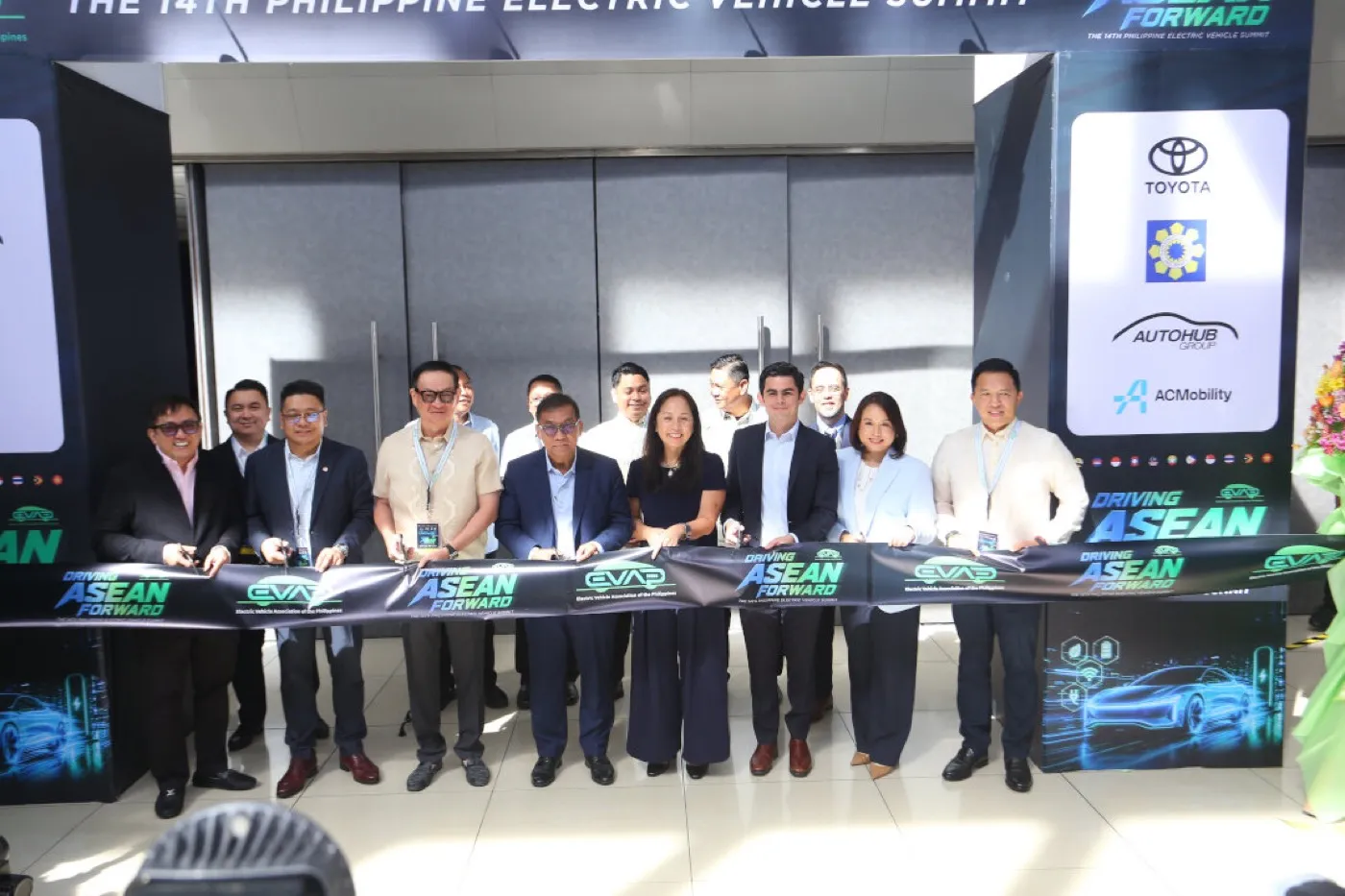
The exhibitor list is the actual argument. Alongside the cars were Meralco, BPI and Pioneer Insurance — a distribution utility, a bank and an insurer — plus a floor of charging companies and the Department of Science and Technology. The organisers’ line is that an EV cannot run without its ecosystem, and the floor plan is that sentence made literal.
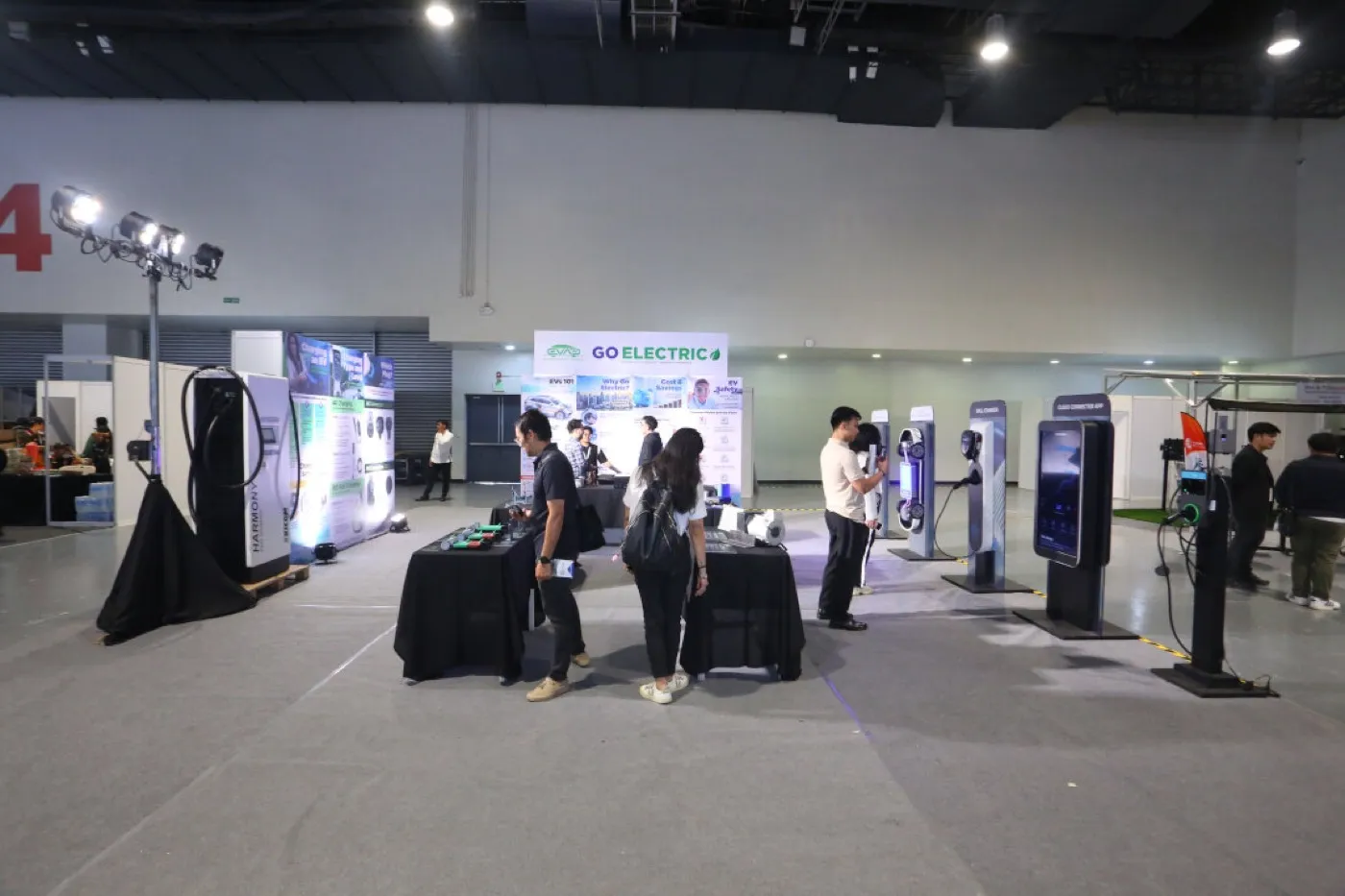
One number on that floor is worth more than the brand count: the Philippine EV Community (PEVC) says it is a network of 100,000 EV owners. It ran the owner-led display and the 24 October talks, for people who already own one and for people deciding. A hundred thousand owners is a constituency, and it is the first time the summit has had one to point at.
1,569 points, and what that number is not
The Department of Energy's count, dated to the day it was taken, drawn against the cars that have to use it.
The organisers are direct about why charging got so much of the floor: it is the thing a buyer worries about. Their answer is that the network is being built out “from our major malls to gas stations, offices, condominiums, and even in our own homes”, and that “the chicken and egg problem is now being solved because both vehicles and chargers are here”.
The published number behind that claim is 1,569 charging points run by 258 accredited providers, as of 31 March 2026. It is a stock, not a map: it says how many points exist, not where they are, and the Manila Times makes the same point — the distribution across the country “remains uneven”.
The DOE counted, on 31 March 2026
1,569
charging points, run by 258 accredited providers
Cars per charging point
6.7×
The seven months to July 2026 alone produced 6.7 new battery-electric cars for every charging point counted in March.
Two caveats, on the widget. The count is dated 31 March and the sales run to 31 July, so any points built after March are missing from the comparison — the real ratio is lower, and nothing published says by how much. And the organisers describe chargers running “from our major malls to gas stations, offices, condominiums, and even in our own homes”, so the 1,569 are not all public points. An average of 6.1 points per provider is a market of many small networks rather than a few large ones — which is a different thing to navigate than a single plug standard.
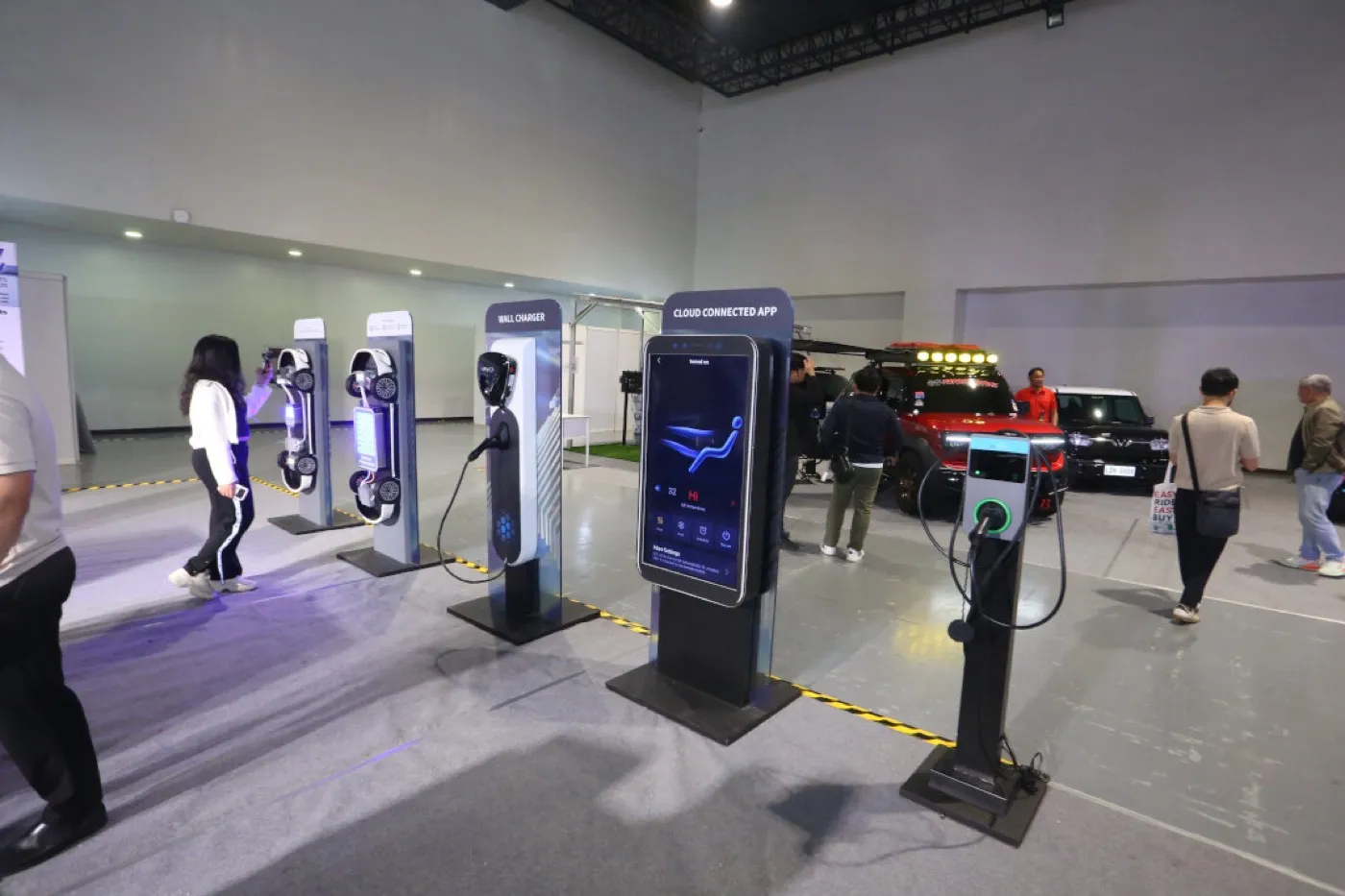
What the ratio does and does not say. It does not say the network is inadequate — a point can serve many cars a day, and most charging happens at home. It says that the count is small relative to the fleet it is being sold alongside, and that a national total is the wrong unit for the question a driver actually has, which is whether there is a working plug on the route they take.
That question has an answer on this site rather than in a press release: charging by city and the station directory are built from a mapped list, not from a national count.
Advertisement
The 2040 target counts the fleet, not the year's sales
“50 percent EV penetration on Philippine roads” is a sentence about the vehicles in use. A sales record is a sentence about one year. They are not the same measurement.
Every account of the summit carries the same target: 50 percent EV penetration on Philippine roads by 2040. Read the preposition carefully — on Philippine roads. That is a share of the vehicles in use, and a fleet changes only as fast as old vehicles are scrapped and replaced. A record sales month moves it by a rounding error; a decade of record years is what moves it.
Which is why the 136.4% and the 50% are not in tension. One is a flow, one is a stock, and the target is written against the slower of the two. The honest reading of the summit is that the flow turned a corner in 2026 and the stock has barely started — and only the first of those is visible in a sales table.
DOE
Sharon S. Garin
Secretary, Department of Energy
A message at the opening programme
DOST
Dr. Renato U. Solidum Jr.
Secretary, Department of Science and Technology
A message at the opening programme
DTI
Elvin Raymond Garcia
Supervising Investment Specialist, Department of Trade and Industry
A message at the opening programme
Three departments, three pieces of the same problem: the DOE owns the power, the DOST owns the technology, the DTI owns the investment. The target needs all three, which is why their presence at an opening programme is the substantive part of the government story rather than the photo.
The gap in one line
38,286 vehicles in seven months is a good year. 50% of the fleet by 2040 is a different order of problem.
What was said, and what it is evidence of
The association's president made the case three times. Each quote is attached to the number it is asking you to accept.
“Every time global oil prices increase, our jeepney drivers, our logistics sector, small business owners, and every Filipino family suffers. This is not just an energy issue — this is an economic and national security issue.”
“This is precisely why we push electric vehicles, which are no longer an alternative, but an imperative. The good news is that the Filipino is now ready, and the Philippines is now ready. The demand for EVs in the Philippines has never been this strong.”
“An electric vehicle cannot run without its ecosystem. That is why I am very proud to share that charging stations and EV chargers are now being rapidly expanded nationwide — from our major malls to gas stations, offices, condominiums, and even in our own homes… You can now drive an EV from north to south with peace of mind. The “chicken and egg” problem is now being solved because both vehicles and chargers are here.”
The first quote is the frame: fuel prices as a national-security question. The second is the claim the 38,286 is offered as evidence for. The third is the claim the 1,569 are offered as evidence for — and it is the one where a national count and a driver’s route are furthest apart.
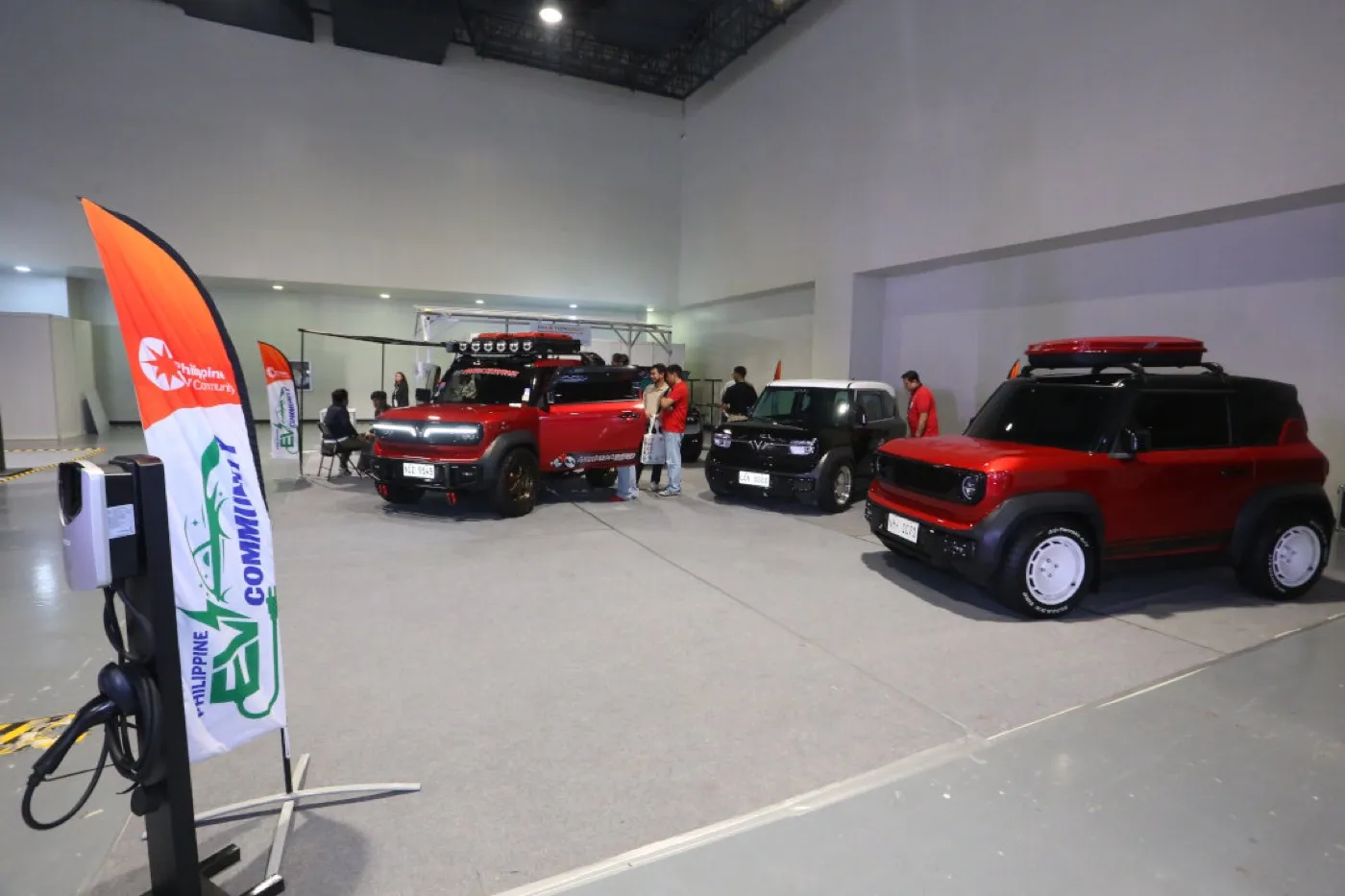
The counterweight came from the same report. The Manila Times closed its piece by listing what still decides a purchase — vehicle prices, charging convenience, battery concerns and long-term ownership costs — and noted that rising sales do not mean every motorist is ready to give up the internal combustion engine. That sentence belongs next to the quotes, because it is the same reporter’s judgement on the same day.
One release, three bylines
The three accounts of this summit are not three confirmations. Reading them side by side is the most useful thing on this page.
The Traffic Network PH piece is headed “OFFICIAL RELEASE: EVAP” and carries the organisers’ own copy. The Manila Times report repeats that release’s figures and both of its quotes word for word, then adds its own framing and a contributed photograph. The Manila Bulletin headline asserts “more than 15 vehicle brands” — and its page would not load past a bot check, so its headline is all we have of it.
So when three outlets appear to agree, what has actually happened is that one document was published three times. That is not a reason to distrust the figures. It is a reason not to count them three times.
| Account | What it contributed | Its limit |
|---|---|---|
| Traffic Network PHThe primary documentRead it | Carries the release verbatim, headed “OFFICIAL RELEASE: EVAP”. The summit's hours, the ₱100 entry, the partner list, the full exhibitor list, the PEVC and the quotes all originate here. | It is the organisers describing their own event. Every number in it is a claim, not a measurement. |
| The Manila TimesA report built on the releaseRead it | Repeats the release's figures and both Tee Ten quotes verbatim, and adds its own framing: that charging is the buyer's biggest worry, and that price, battery life and long-term cost still decide the purchase. | Its sourcing is the same release. Where it goes further it is careful to attribute — the charging count is “according to the Department of Energy”. |
| Manila BulletinA headlineRead it | Its headline asserts that the summit “showcased more than 15 vehicle brands”, which is an independent newsroom reaching the same count as the release. | The page would not load past a bot check, so we have read its headline and nothing else. No other claim on this page is attributed to it. |
What we could check without trusting the release. Two things. The arithmetic — the split, the per-day rate and the recovered base are all division on numbers the release itself prints, so they hold even if the release is wrong about what the numbers mean. And the charging count, which is attributed to the Department of Energy by name in the Manila Times rather than to the organisers.
What we could not check. Whether 38,286 is a complete count of the window, and whether the 1,569 are public points or every charger including the ones in private homes. Neither question is answered in any of the three accounts, and we have not guessed at either.
The editorial position
Three bylines is not three confirmations. Where the only source is the organisers, this page says so instead of dressing it as consensus.
Advertisement
Six questions the summit's own numbers answer
No trivia. Every wrong answer here is a number that gets repeated without its definition.
How many vehicle brands were on the floor at the 14th summit?
Philippine EV Summit questions
How many vehicle brands were at the 14th Philippine EV Summit?
Sixteen, which is what "more than 15" means when it is written out: BYD, Kia, Toyota, Nissan, MG, Geely, Zeekr, Deepal, MINI, Lotus, Changan, AVATR, Dongfeng Motors, Forland, NWOW, NXT. The organisers' release says "more than 15", and Manila Bulletin's headline independently reports "more than 15 vehicle brands". The floor covered city cars, family SUVs, premium and performance models, commercial vehicles and electric two-wheelers, with test drives of selected models.
When and where was the 14th Philippine EV Summit?
22 to 24 October 2026, at the SMX Convention Center in the SM Mall of Asia Complex, Pasay City, open 9:00 AM to 7:00 PM daily. Entry was ₱100 and students entered free. It was organised by the Electric Vehicle Association of the Philippines under the theme "Driving ASEAN Forward: Building an Integrated Electric Mobility Ecosystem".
How many electric vehicles were sold in the Philippines in 2026?
38,286 "electrified" vehicles were sold from January to July 2026, up 136.4% on the same period a year earlier. Of those, 10,476 were battery-electric. Total vehicle sales fell 10.2% over the same seven months, so the electric share rose while the market it sits in shrank.
What is the difference between an “electrified” vehicle and an electric one?
"Electrified" is the industry's umbrella for anything with a motor: battery-electric cars with no engine at all, plus hybrids, plug-in hybrids and mild hybrids, which keep a petrol or diesel engine. Dividing the summit's own two figures, 27.4% of the 38,286 were battery-electric and 27,810 still had an engine. That split is arithmetic on the published numbers, not an agency count.
How many EV charging points are there in the Philippines?
1,569 charging points run by 258 accredited providers, according to the Department of Energy, as of 31 March 2026. That is an average of 6.1 points per provider. The count is a national stock, not a map: it does not say where the points are, and the organisers describe chargers running from malls to private homes, so the figure is not purely public charging.
What is the Philippine government's EV target?
50 percent EV penetration on Philippine roads by 2040. Read the wording carefully — it is a share of the vehicles on the road, not of one year's sales. A fleet turns over only as fast as old vehicles are replaced, so a record sales year moves a fleet target very little, and the target is written against the slower of the two measurements.
Did the summit show that electric cars are outselling petrol cars?
No. Battery-electric vehicles were 27.4% of the "electrified" total, and that total was sold into a market that fell 10.2% over the same seven months. Conventional vehicles still account for the large majority of Philippine sales, and the summit's own reporting says so.
Will there be a 15th Philippine EV Summit?
Not announced. The 14th ran in October 2026 and no date for a 15th has been published by the organisers, so this page does not guess at one. The event is annual and organised by the Electric Vehicle Association of the Philippines; registration for the 14th ran through evsummit.net/.
Advertisement
Sources, and what this piece is not
This is reporting and explanation, not an EVAP or Department of Energy publication, and not buying advice. The summit ran 3 days from 22 to 24 October 2026 at the SMX Convention Center in Pasay City. The facts here were checked on October 31, 2026. Figures marked derived are arithmetic on published numbers, not agency counts.
The organisers’ release first, then the report built on it, then the headline:
- Traffic Network PH — 14th Philippine EV Summit opens: EV sales surge in 2026
- The Manila Times — 14th Philippine EV Summit opens as electrified vehicle sales rise in 2026
- Manila Bulletin — 14th Philippine EV Summit showcased more than 15 vehicle brands
A correction to any figure on this page goes to the same address the rest of the site uses — the methodology page states how a correction is handled. The window for every sales figure is January to July 2026.
The number that matters is the one nearest you
A national count of 1,569 charging points says nothing about the 3 km between your house and the mall. The directory filters by city, network and connector, so the question becomes answerable.